




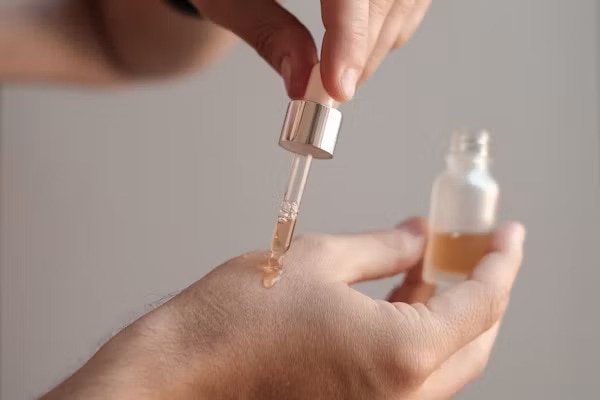
Retinol serums are among the most studied skincare essentials for achieving smoother, clearer and more even-looking skin.
What Is Retinol and How It Works on Skin
Retinol is a form of vitamin A within the retinoid family, which also includes retinal (retinaldehyde) and prescription-only retinoic acid (tretinoin). In over-the-counter skincare, retinol is popular because it delivers proven results while often being more tolerable.
Retinol supports efficient cell turnover for a fresher-looking skin. It also encourages collagen production for a firmer, bouncier appearance. In addition, retinol helps keep pores clearer by reducing the build-up of dead skin and sebum.
Key Benefits of Using a Retinol Serum
With consistent use, a well-formulated retinol serum can visibly refresh the overall look of your skin.
- Fine lines and wrinkles: Retinol helps soften the look of fine lines and early wrinkles by supporting collagen and smoothing texture. Skin often appears more refined and supple.
- Uneven tone and dullness: Retinol can fade the appearance of uneven tone, including the look of post-blemish marks, revealing a brighter and radiant complexion.
- Skin texture: Rough or flaky areas may improve as the surface becomes more uniform and polished.
- Congestion and pores: Retinol can reduce the look of congestion, making pores appear less noticeable.
Long-term, consistent use generally delivers smoother, firmer and more radiant-looking skin. Progress is gradual but cumulative, so patience and routine are key.
How to Choose the Right Retinol Serum
Consider strength and supporting ingredients before you buy, so your routine is effective and comfortable from the start.
Choosing the right strength
- Beginners or sensitive skin: Look for microdosed or low strengths such as 0.1%–0.3% retinol or slow-release/encapsulated formulas designed to minimise irritation.
- Intermediate users: If you have used retinol for at least 8–12 weeks, consider stepping up to around 0.3%–0.5%, monitoring your skin’s response.
- Experienced users: If your skin is well-acclimatised with minimal irritation, strengths around 0.5%–1% may be appropriate. Use carefully and not necessarily every night.
Helpful supporting ingredients
- Ceramides: Strengthen the skin barrier to reduce dryness and tightness.
- Hyaluronic acid and glycerin: Draw and hold water in the skin for a plumper, hydrated feel.
- Squalane and nourishing oils: Provide lightweight comfort and help buffer potential dryness.
- Soothing agents such as niacinamide, allantoin and panthenol: Calm visible redness and support barrier care.
How to Use Retinol Serum: Step-by-Step
Introducing retinol gradually is the best way to keep skin comfortable. Follow these steps to build tolerance and maintain results.
- Patch test first: Apply a small amount behind the ear or along the jawline for several days. If no significant redness, stinging or flaking, proceed to frequent use.
- Start low and slow: Begin with 1–2 nights per week, allowing rest days in between. After 2–3 weeks, if your skin is comfortable, increase to 3 nights per week, and eventually on alternate nights.
- Cleanse and dry: In the evening, cleanse and ensure your skin is completely dry before application. Applying retinol to damp skin can increase absorption and risk of irritation.
- Apply the serum: Dispense a pea-sized amount (or per product’s directions) for the face. Smooth evenly, avoiding the immediate eye area and the corners of the nose and mouth at first. You can move closer to those areas once tolerance is established.
- Moisturise: Follow with a nourishing moisturiser to lock in hydration and support the barrier. If needed, try the sandwich method: moisturiser, retinol, then another layer of moisturiser on top to buffer potential irritation.
- Daytime protection: Retinol is best used at night. In the morning, always apply a broad-spectrum SPF 30 or higher and reapply as needed. Daily sun protection is essential to maintain results and help minimise sensitivity.
Safety, Side Effects and How to Minimise Irritation
A little dryness, mild flaking or temporary tightness is common when you first introduce retinol. The aim is to distinguish normal adjustment from true irritation and adapt your routine accordingly.
Purging vs irritation
Purging refers to a temporary increase in breakouts as cell turnover speeds up, bringing underlying congestion to the surface. This typically settles within 4–8 weeks. Irritation presents as persistent redness, stinging, burning or intense flaking. If irritation occurs, reduce frequency, buffer with moisturiser or pause until skin settles.
Ways to minimise irritation
- Use the sandwich method or apply retinol after moisturiser if your skin is sensitive.
- Avoid layering multiple strong actives (such as AHAs, BHAs or benzoyl peroxide).
- Keep your routine simple: gentle cleanser, retinol, moisturiser. Add targeted extras slowly as tolerance builds.
Who should avoid or seek advice
If you have active eczema, rosacea flares, broken skin, a compromised barrier or you have recently undergone cosmetic procedures, consult a healthcare professional before use. Those who are pregnant, planning pregnancy or breastfeeding should avoid retinoids unless advised otherwise by a qualified professional.
Frequently Asked Questions
Can you use retinol with vitamin C, AHAs/BHAs, niacinamide or peptides?
Yes. Vitamin C (ascorbic acid) often works well in the morning, with retinol at night, supporting brightening and antioxidant protection while reducing the risk of irritation. AHAs and BHAs are best alternated with retinol on separate evenings, especially when you are new to either ingredient. Niacinamide and peptides generally pair well with retinol and can be used in the same routine to support the barrier and improve comfort.
How long until results show?
Subtle improvements in texture and radiance may appear within 2–4 weeks. More visible changes in fine lines and uneven tone typically take 8–12 weeks or longer. Progress is cumulative: staying consistent, protecting your skin from the sun and avoiding over-exfoliation all help maintain and enhance results. If you are wondering what does retinol do for skin in the longer term, think smoother texture, more even tone and a firmer appearance with sustained use.
Is it safe to use retinol during pregnancy?
The general recommendation is to avoid topical retinoids during pregnancy and breastfeeding unless specifically approved by your healthcare professional. If you are planning pregnancy, consider pausing retinoids and switch to alternatives such as azelaic acid or gentle exfoliating acids.