Incorporating glycolic acid into your skincare routine could be the easiest way to achieve glowing, youthful-looking skin. This miraculous ingredient can tackle hyperpigmentation, dullness, and signs of skin aging, such as lines and wrinkles… Find out more about what exactly makes it such a wonderful ingredient.
What is Glycolic Acid?
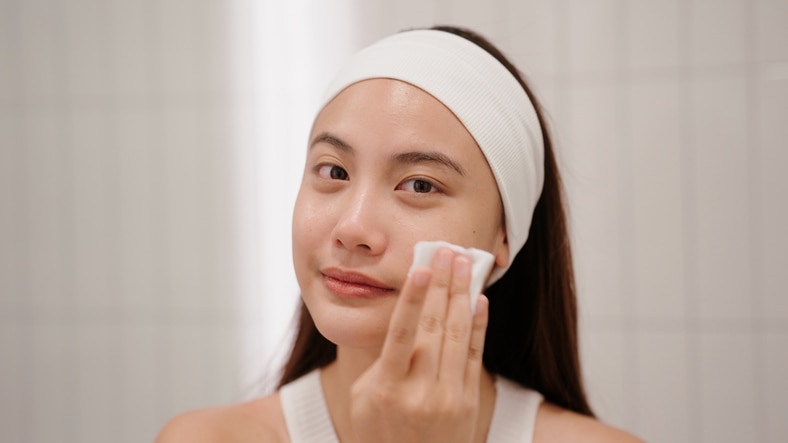
It is a chemical exfoliant, a type of alpha-hydroxy acid (or AHA) that’s derived from sugar cane. Among all other AHAs (lactic, citric, and malic), glycolic acid has the smallest particle size with the simplest structure. It’s so small that it can easily penetrate the skin, where it can do wonders.
Best suited for normal, combination, and oily skin types.
Key Benefits
- Brighten skin and reduce blemishes
- Unclogs pores to help prevent breakouts
- Minimizes fine lines and wrinkles
- Improves product absorption by prepping the skin


How to use glycolic acid in your skincare routine?
From face washes to toners to chemical peels, glycolic acid can be found in various skincare products. It should always be applied in the evening, as it can make our skin sensitive to the sun, and make sure that you use SPF in the morning.
Possible Side Effects
Those with dry, highly sensitive skin often react to it with irritation. As with any skincare acids, it’s best to start small if you have sensitive skin or are prone to irritation. Make sure to apply sunscreen in the morning, because glycolic acid can increase your risk of sunburn.
However, when used correctly and paired with proper sun protection, it can deliver impressive results without compromising skin health. Ready to elevate your skincare routine? Start slow, listen to your skin, and enjoy the benefits of this powerful AHA!
Disclaimer: The information provided above is intended for general informational and educational purposes only. Always consult a dermatologist before incorporating new active ingredients into your skincare routine, especially if you have sensitive or reactive skin.