




Selecting a shampoo for hair fall need not be daunting. By concentrating on proven ingredients and understanding how they support the scalp and hair fibre, you can narrow your choices quickly and effectively.
Understanding Hair Fall
Hair fall presents in different ways and distinguishing them helps you pick the right approach. Hair breakage occurs when hair snaps, often due to heat styling, aggressive brushing or dryness. Shedding refers to whole hairs being released from the scalp as part of the natural cycle. Pattern thinning (androgenetic hair loss) involves gradual follicle miniaturisation often seen as a widening part or receding hairline.
Excess oil and residue can clog follicle opening while an irritated, dehydrated scalp can exacerbate shedding. Other factors include tight ponytails, over‑processing, nutritional gaps and chronic stress. Professional evaluation usually helps you align a hair fall shampoo best practice routine.
A well‑chosen shampoo can reduce breakage, improve scalp comfort and create a healthier environment for growth. It can remove build‑up, rebalance oil and strengthen the cuticle.
Proven Active Ingredients to Strengthen and Reduce Hair Fall
- Caffeine, niacinamide and peptides: Caffeine is frequently included to support microcirculation when massaged into the scalp and left for a short contact time. Niacinamide (vitamin B3) helps strengthen the skin barrier and maintain a balanced, less reactive scalp environment. Biomimetic peptides are used to signal to follicles, encouraging a healthy growth cycle. These ingredients collectively optimise conditions at the root and are often present in top shampoos for hair loss.
- Biotin, panthenol (pro‑vitamin B5) and amino acids: These focus on fibre fortification. Panthenol enhances moisture retention and surface smoothness, making strands more resilient to mechanical stress. Amino acids, which support keratin structure, improve elasticity and reduce snapping. Biotin may improve hair quality as part of a supportive formula, particularly if mid‑lengths and ends are fragile.
- Zinc PCA, salicylic acid and mild keratolytics: A clear, balanced scalp supports healthier growth. Zinc PCA helps regulate sebum, salicylic acid gently loosens build‑up and flaking. Other mild keratolytics keep follicles clear without harsh scrubbing. These are essential ingredients to look for in hair fall shampoos if oiliness and flake are part of the picture.
Scalp‑Care Ingredients That Create the Right Environment for Growth
- Aloe vera, glycerin and hyaluronic acid: Lightweight humectants that draw and hold water in the outer layers of the scalp, relieving tightness without leaving residue.
- Piroctone olamine and tea tree derivatives: If dandruff or flaking is part of your picture, these can help. Piroctone olamine targets Malassezia‑related dandruff while being gentler than some traditional options. Tea tree derivatives contribute to a refreshed feel and can support a calmer, less itchy scalp.
- Prebiotics and soothing botanicals: Prebiotics help encourage a healthy microbial balance, while agents like panthenol and allantoin reduce irritation. By minimising itch and redness, they reduce the urge to scratch, lowering the risk of mechanical hair loss.
Ingredients to use with caution if experiencing Hair Fall
When hair feels delicate, simplify your routine and avoid compounding stressors that can worsen breakage or scalp sensitivity.
- Harsh sulphates and strong solvents: Rich lather can be appealing, but high‑strength sulphate blends may strip natural oils, leaving the scalp tight and the cuticle raised. If you are prone to breakage, choose gentler surfactants.
- Heavy silicones and waxes: These can add slip and shine but may build up when layered, weighing hair down and dulling root volume.
- Intense fragrance and potential irritants: A reactive scalp may shed more. If sensitive, select lightly fragranced or fragrance‑free formulas and avoid known triggers such as certain colourants or high levels of menthol, particularly if tingling feels uncomfortable.
Choosing the Right Formula for Your Hair Type and Routine
- Fine or oily hair: Opt for lightweight, volumising cleansers. Gentle exfoliants like salicylic acid or low‑dose fruit acids lift oil and residue at the roots, creating a fuller look. Actives such as caffeine and niacinamide support the scalp without heaviness.
- Dry or brittle hair: Select nourishing cleansers with ceramides, botanical oils and proteins. Ceramides reinforce the cuticle to reduce moisture loss, while proteins and amino acids improve elasticity.
- Colour‑treated or chemically processed hair: Choose sulphate‑free options to help preserve colour and minimise breakage. Formulas with panthenol, gentle surfactants and bond‑supporting ingredients aid integrity between salon appointments.
How to Use Hair Fall Shampoos for Best Results
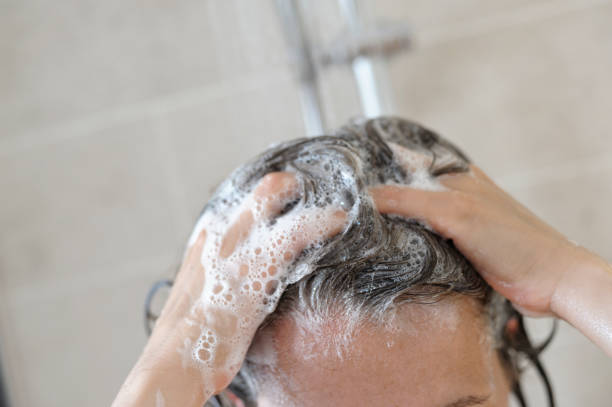
- Application: Wet hair thoroughly. Apply shampoo to the scalp first, massaging with fingertips for 60 to 90 seconds to encourage microcirculation and ensure even distribution. Allow 1 to 2 minutes of contact before rinsing. Avoid hot water, which can worsen dryness and irritation.
- Frequency: Most people do well washing three to five times weekly, adjusting for oil levels, exercise and styling products. If using a clarifying or exfoliating shampoo, limit it to once or twice a week and alternate with a moisturising option.
- Complementary products: Follow with a lightweight conditioner on mid‑lengths and ends to minimise friction and reduce breakage. Consider leave‑in scalp tonics or serums with caffeine, peptides or niacinamide to extend benefits between washes.
- Tracking progress: Expect improved scalp comfort and less breakage within 4 to 6 weeks. Shedding patterns may take longer to stabilise; give a consistent routine 8 to 12 weeks for a fair trial. Positive signs include fewer snapped hairs on brushes, reduced itch and a fresher feel between washes.
Quick Reference: Key Ingredients and Their Benefits
| Ingredient | Primary Role | Best For |
| Caffeine | Supports scalp microcirculation with short contact time | All hair types seeking root optimisation |
| Niacinamide | Strengthens scalp barrier and balances oil | Oily, sensitive or reactive scalps |
| Peptides | Signals to support a healthy growth cycle | Thinning concerns and fragile roots |
| Panthenol (Pro‑vitamin B5) | Improves moisture retention and fibre smoothness | Dry, brittle or processed hair |
| Amino acids | Reinforces keratin structure, boosts elasticity | Breakage‑prone lengths and ends |
| Biotin | Supports overall hair quality as part of a blend | Fragile mid‑lengths seeking strength |
| Zinc PCA | Helps regulate excess sebum on the scalp | Oily scalps and congestion |
| Salicylic acid | Gentle exfoliation to clear build‑up and flake | Dandruff‑prone or product‑heavy routines |
| Piroctone olamine | Targets Malassezia‑related dandruff | Flaking with associated itch |
| Aloe, glycerin, hyaluronic acid | Hydrates and soothes without heaviness | Dry or tight scalp |
Practical Tips for Shampoo Shopping
- Scan the ingredients list for key actives like caffeine, niacinamide or zinc PCA; supportive humectants such as glycerin can appear higher up due to their water‑binding role.
- Evaluate fragrance level and surfactant type if you are sensitive; look for terms such as “sulphate‑free” or gentler surfactants like cocamidopropyl betaine.
- Balance is critical. A clarifying step once a week can prevent build‑up from silicones and styling products, while a daily or alternate‑day gentle cleanse maintains scalp comfort.
- Consider seasonal shifts. In humid weather, lighter formulas with oil‑balancing actives help maintain freshness; in drier periods, hydrating and soothing components prevent tightness.
Conclusion
The most effective hair fall shampoos improves scalp care with fibre strength. Look for actives like caffeine, niacinamide, peptides and gentle keratolytics such as salicylic acid, supported by hydrating and soothing agents. Pair smart ingredient choices with good technique and a consistent routine. While shampoos cannot replace medical therapies for pattern hair loss, they can meaningfully reduce breakage, improve comfort and create the right conditions for healthier‑looking hair.