




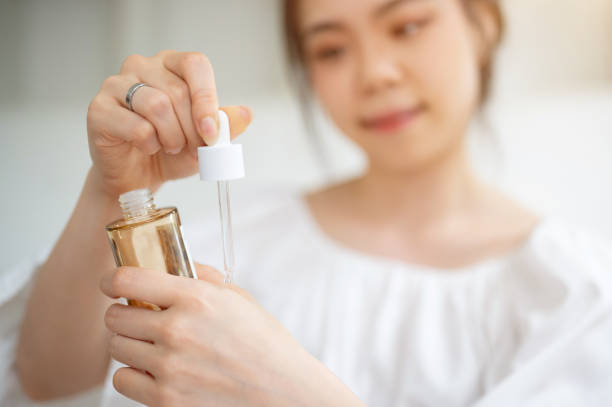
Want glowing, even-toned skin and daily defence against environmental stress without stretching your budget? Vitamin C serums are a smart addition to almost any routine. They help brighten, smooth texture and support a more resilient barrier.
Our top affordable picks
These top 5 affordable vitamin c serums provide dependable brightening and antioxidant protection across different budgets and skin types.
- Brightening booster format (around 3.5% vitamin C complex; derivative-based). Best for beginners and daily brightening. Lightweight texture that absorbs quickly and suits most skin types, including combination and oily.
- Pure vitamin C format (around 10% L-ascorbic acid). Effective for early dullness and fine lines with a direct vitamin C approach. Smooth, silicone-like feel helps buffer irritation. Best for normal to combination skin.
- Vitamin C derivative paired with gentle AHA. A brightening-exfoliating blend that refines texture while boosting radiance. Ideal for dullness and uneven tone. Best for normal, combination and oilier skin.
- Pure vitamin C at 10% with refining and soothing support. Dermatologist-trusted actives that help with dullness, early lines and visible pores. Suits normal to combination skin and early-ageing concerns.
- Water-based vitamin C derivative at around 12%. A stable, comfortable option for sensitive or easily irritated skin seeking steady brightening without sting. Hydrating, fragrance-free feel. Best for dry, sensitive or first-time vitamin C users.
How to choose the right vitamin C serum for your skin
Match the formula to your skin type:
- Oily or combination skin: Lightweight, water-based serums or silicone-buffered L-ascorbic acid often sit comfortably, setting to a non-greasy finish under sunscreen.
- Dry skin: Hydrating derivatives paired with humectants (e.g. hyaluronic acid, glycerin) help support the barrier while delivering brightening benefits.
- Sensitive skin: Derivatives such as ascorbyl glucoside or magnesium ascorbyl phosphate at moderate concentrations tend to minimise stinging and redness.
- Blemish-prone skin: Choose oil-free textures and non-comedogenic claims or formulas that include gentle refining acids like salicylic acid in low amounts.
Pure L-ascorbic acid works best at a lower pH (acidic), which can tingle yet drives efficacy. Derivatives generally operate at more skin-friendly pH and convert within the skin to active vitamin C, offering comfort with consistent results. Co-antioxidants like vitamin E and ferulic acid can boost stability and protection. Hydrators such as hyaluronic acid and glycerin help maintain barrier function, while niacinamide partners well to refine tone and improve resilience.
What sets each type apart
Pick 1: Gentle, derivative-based brightening serum
- Key actives: A vitamin C complex (derivative-based) with brightening boosters to improve radiance and even tone.
- Who is it for: New to vitamin C, students or anyone seeking a budget-friendly daily glow serum that absorbs fast and layers well under SPF.
Pick 2: Pure vitamin C at 10% for direct results
- Key actives: 10% L-ascorbic acid for direct, potent antioxidant support.
- Benefits: Helps reduce dullness, softens the look of early fine lines, and refines texture.
- Best for: Normal to combination skin comfortable with active-strength vitamin C.
Pick 3: Vitamin C + gentle AHA for streamlined brightening
- Key actives: Vitamin C derivative combined with lactic acid (AHA) for brightening and gentle exfoliation.
- Benefits: Delivers both immediate radiance and ongoing texture refinement, reducing the need for a separate exfoliant.
- Who is it for: Skin that tolerates mild acids and wants a streamlined brightening routine.
Pick 4: Pure vitamin C with refining and soothing support
- Key actives: 10% L-ascorbic acid, a gentle refining acid, and a soothing peptide.
- Benefits: Brightens and smooths, helps refine the look of pores and supports comfort with targeted soothing.
- Who is it for: Those seeking dermatologist-trusted actives with a balanced approach to tolerability.
Pick 5: Water-based derivative for sensitive skin
- Key actives: Around 12% ascorbyl glucoside (a stable vitamin C derivative).
- Benefits: Gradual, steady brightening and tone evening with a water-based, comfortable feel.
- Who is it for: Sensitive or reactive skin, or anyone who finds pure L-ascorbic acid too tingly.
Sensitive-skin note: If your barrier feels compromised or you react easily, begin with a derivative option three times per week and increase as tolerated. For blemish-prone skin, formulas that include a gentle refining acid may help; otherwise, prioritise lightweight, non-comedogenic textures and keep the rest of your routine simple.
How to use vitamin C serum for best results
Vitamin C offers daily defence against free radicals generated by UV and pollution, making morning application especially beneficial. Integrating vitamin c serum consistently can improve brightness and support an even tone.
- Cleanse: Start with a gentle cleanser suited to your skin type.
- Apply vitamin C: Smooth 2–4 drops onto dry skin, covering face and neck. Allow 30–60 seconds for absorption.
- Moisturise: Follow with a hydrating moisturiser that supports barrier function.
- Protect: Finish with a broad-spectrum SPF 30 or higher to guard against UV and preserve brightness.
Layering tips: Vitamin C pairs well with hydrating toners, hyaluronic acid, ceramides and niacinamide. Vitamin C plus niacinamide duo is particularly effective for brightening and supporting an even tone while keeping irritation low.
FAQs and shopping tips
How to recognise a quality formulation? Choose packaging that limits light and air exposure—opaque or metal tubes are ideal, and airtight pumps are a plus. Seek clear labelling of vitamin C type and percentage to gauge strength. A lightweight, non-sticky feel suggests good wear under sunscreen and make-up. Fragrance-free or low-fragrance options suit sensitive users.
When will I see results? With daily use, a fresher look and improved brightness often appear within 2–4 weeks. More stubborn concerns such as dark spot fading and early fine-line softening usually take 8–12 weeks. Consistency matters—regular, small amounts beat sporadic, heavy application. Mild tingling is common with pure L-ascorbic acid, especially on compromised or freshly exfoliated skin.
What if I have very sensitive skin? Begin with a derivative such as ascorbyl glucoside, using it 2–3 times per week and pairing it with a gentle, fragrance-free moisturiser. Increase frequency once you are tolerating the serum well.
Choosing with confidence: Budget, format and skin goals
Use the following pointers to refine your choice and get the most from your purchase.
- Format matters: L-ascorbic acid is potent and fast-acting, but can be more tingly at low pH. Derivatives (ascorbyl glucoside, sodium ascorbyl phosphate, magnesium ascorbyl phosphate) are typically gentler and more stable, with results that build steadily over time.
- Skin goals: For radiance and early lines, pure formats at around 10% can be impactful. For comfort and barrier support alongside brightening, choose a derivative and pair with hydrating moisturiser and consistent SPF.
- Routine compatibility: If your evening includes retinoids or exfoliating acids, keep your morning straightforward—cleanse, vitamin C, moisturise, SPF. This balance protects your barrier while delivering visible benefits.
Sample routines for different skin types
Use these simple routines to integrate vitamin C while keeping your skin comfortable. Each routine provides a starting point so you can adapt the use of a vitamin c serum for face to your needs.
Normal to combination
- Morning: Cleanser, pure vitamin C serum at around 10% (or a gentler derivative to start), lightweight moisturiser, SPF 50.
- Evening: Gentle cleanse, hydrating serum (e.g. hyaluronic acid), moisturiser. Add a retinoid 2–3 nights weekly if tolerated.
Dry or dehydrated
- Morning: Hydrating cleanser, water-based derivative serum, ceramide-rich moisturiser, SPF 50.
- Evening: Cleanse, nourishing toner or essence, rich moisturiser. Introduce a mild lactic acid once weekly if needed for smoothness.
Oily or blemish-prone
- Morning: Gel cleanser, pure vitamin C with gentle refining support if tolerated, oil-free moisturiser, SPF 50.
- Evening: Cleanse, niacinamide serum, lightweight moisturiser. Add a BHA toner 2–3 nights per week if skin tolerates it.
Sensitive or reactive
- Morning: Mild cleanser, derivative vitamin C serum, fragrance-free moisturiser, SPF 50.
- Evening: Cleanse, barrier repair moisturiser. Avoid strong acids and retinoids until skin is stable. Increase vitamin C frequency gradually.
Conclusion
Affordable vitamin C serums can deliver impressive brightening and antioxidant support when chosen thoughtfully and used consistently. If you are new to vitamin C or prefer a gentler start, derivative-based options offer steady, comfortable results. If you want faster visible change and your skin tolerates actives, pure L-ascorbic acid around 10% provides direct, effective support against dullness and early lines.