




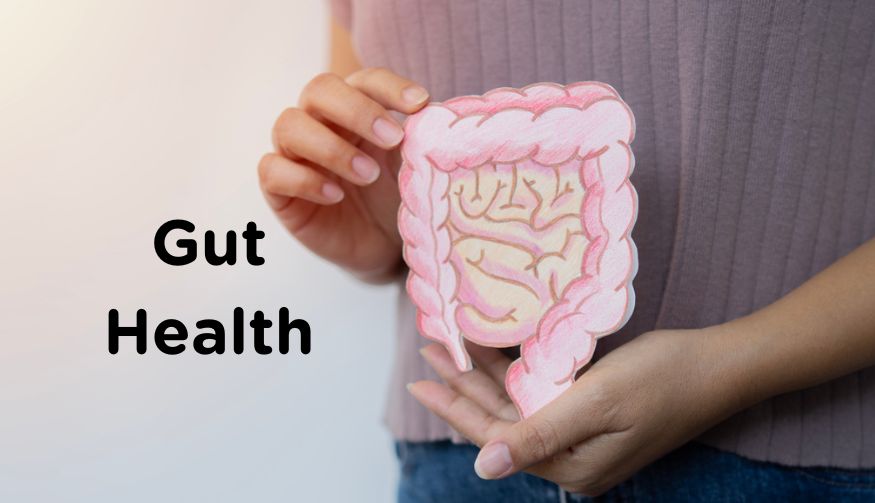
Your gut health plays a crucial role in your overall well-being, affecting digestion, immune function, energy levels, and even mental health. When your gut microbiome becomes imbalanced, it can lead to digestive issues, fatigue, mood changes, and other chronic health concerns.
In this blog, we’ll explore the most common signs of poor gut health, the possible causes of an unhealthy gut, and practical, science-backed tips to improve digestion and restore a balanced gut microbiome naturally.
Common Signs of an Unhealthy Gut
Upset stomach
If you have some upset symptom like gas, bloating, constipation, diarrhea, and heartburn, that would be a sign of stomach discomfort.

Sleep disturbances or constant fatigue
An unhealthy gut may contribute to sleep disturbances such as insomnia or poor sleep. People with tiredness often have abnormal levels of certain types of gut bacteria.

Unintentional weight changes
When you didn’t make any changes to your diet or exercise habits, unintentionally gaining or losing weight can be a sign of an unhealthy gut. An imbalanced gut can promote intestinal bacteria that lead to obesity.

ways to improve gut health
Take a prebiotic or probiotic
To boost the beneficial bacteria or probiotics in the gut, you can choose to take probiotic supplements. It can help promote the growth of beneficial bacteria in the gut and prevent gut inflammation and other intestinal problems.

Change your diet
The amount of processed, high-sugar, and high-fat foods may cause gut dysbiosis, which is an imbalance of gut microbes. Reducing the unhealthy food intake can help improve your gut health
