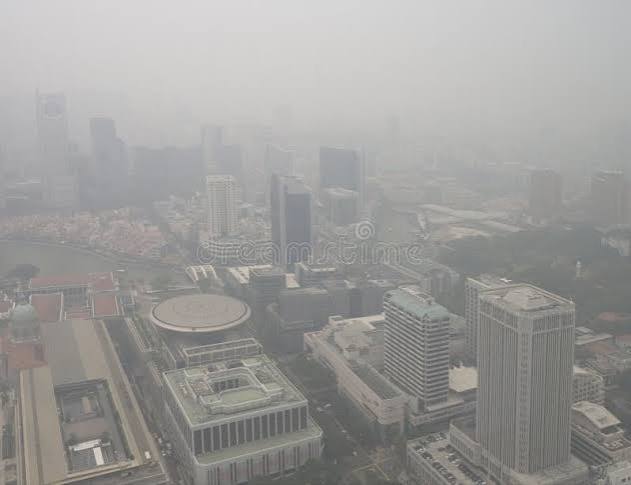
With the ongoing haze, microscopic particles suspended in the air can irritate the eyes, throat and lungs, and may worsen existing health conditions. The good news: a few smart purchases and simple daily habits can meaningfully reduce exposure and keep everyone at home safe. Use this practical guide to stock up on essentials to protect you from the ongoing haze situation.
Know the Haze: PSI, Health Risks, and Who Needs Extra Care
Common symptoms linked to haze include dry or itchy eyes, throat irritation, cough, sneezing, nasal congestion, headache and reduced exercise tolerance. Skin can also feel tight, dry or more sensitive than usual. Watch for warning signs such as wheezing, chest tightness, breathlessness at rest, persistent/ worsening cough, severe eye pain or dizziness.
Some people are more vulnerable to the effects of haze and should take extra care. These include children, older adults, pregnant individuals and anyone with existing conditions.
Essential 1: Certified Respirator Masks for Outdoor Protection
A well‑fitting, certified respirator mask is one of the most effective ways to reduce inhalation of fine particles when you are outdoors. Look for internationally recognised standards such as N95 or KN95. These certifications indicate proven filtration efficiency for fine particles, provided the mask seals properly to your face. For most haze situations, N95 provides robust protection. Avoid relying on loose surgical or cloth masks during haze events; they do not reliably filter PM2.5.
Choose the correct size for adults and children. The mask should sit snugly over the nose and chin with no obvious gaps along the cheeks or nose bridge. Perform a quick seal check: inhale sharply and feel for leaks; the mask should pull slightly towards your face without air escaping at the edges. For children, pick child‑specific sizes with soft materials and shorter ear loops or headbands to accommodate smaller faces.
Replace disposable masks when they become damp, dirty, damaged or uncomfortable to breathe through. During hazy periods, this may be after a day of active outdoor use. Reusable respirators with replaceable filters can be cost‑effective for repeated haze episodes. In times reminiscent of the worst haze in Singapore, step up protection by ensuring your n95 mask for haze fits perfectly and carry a spare in a clean, sealed pouch.
To browse the full collection of masks at Watsons Singapore, you can click on the following link:
https://www.watsons.com.sg/health/masks/c/2108003
Essential 2: Air-Cleaning Solutions for Your Home
Air purifiers equipped with true HEPA filtration can significantly reduce indoor PM2.5 during haze periods. Look for HEPA H13 or higher, or the equivalent filtration specification, and match the purifier’s Clean Air Delivery Rate (CADR) to your room size. As a guide, choose a CADR in cubic metres per hour (m³/h) that is roughly two to three times the room volume for faster air turnover. Many brands list a recommended room size; if you are uncertain, size up for larger living rooms or open‑plan spaces. Activated carbon pre‑filters help reduce odours and some gaseous pollutants that may accompany haze, especially when a Singapore burning smell drifts indoors.
Keep windows and doors closed when PM2.5 is high and use weather strips to seal obvious gaps. Place the purifier in the room you use most, away from corners and obstructions, with at least 20–30 cm clearance on all sides for optimal airflow.
For air purifier at Watsons Singapore, you can click here.
Essential 3–5: Eye Care, Hydration, and Relief for Sensitive Airways
Haze often leaves eyes feeling dry, gritty and irritated. Lubricating eye drops restore moisture and comfort. If you use drops frequently or have sensitive eyes, preservative‑free single‑use vials are a good choice. Contact lens wearers may wish to switch to glasses on hazy days to reduce irritation. Gentle eyelid cleansers or sterile saline can help remove residue along the lash line. When outdoor air pollution is high, washing the face and eyelids after returning home can also ease discomfort.
For the full range of eye drops, you can click on the following link:
https://www.watsons.com.sg/health/drops-wash/c/2106001
Hydration supports natural defences and helps thin mucus so the airways clear more easily. Keep a refillable water bottle within reach and sip regularly throughout the day. If you are sweating or spending time in warm, stuffy environments, electrolyte sachets can support fluid balance. Pair hydration with protective measures outside, such as a haze mask N95, to minimise irritation from particulates.
Sensitive airways benefit from simple, soothing care. Isotonic saline nasal sprays or rinses wash away irritants and relieve dryness. If air‑conditioning leaves rooms too dry, a cool‑mist humidifier can add comfortable moisture to indoor air; aim for relative humidity around 40–50 percent to avoid encouraging mould growth. Over‑the‑counter options, such as lozenges for scratchy throats and cough syrups for mild, non‑productive coughs, can ease discomfort.
For the full range of nasal spray or rinses, you can click on the following link:
https://www.watsons.com.sg/health/nasal-inhalers-strips-sprays/c/2105002
Pharmacies commonly stock soothing eye drops, eyelid wipes and sterile saline; reusable water bottles in a range of sizes, electrolyte powders and vitamin supplements; as well as nasal saline sprays, compact humidifiers and pharmacy‑advised cough and throat relief. Combining medication adherence with an n95 mask for haze when outdoors helps reduce overall exposure to particulate matter.
Smart Haze Habits to Pair with Your Essentials
On high‑pollution days, move exercise indoors or schedule it for times when levels are lower, such as early morning. Keep indoor air as clean as possible by closing windows, running your air purifier and limiting activities that add particulates.
Prepare a small “haze kit” so you are never caught off guard. Stock it with respirators in sealed pouches, a travel bottle of saline or lubricating eye drops, a folding or compact reusable water bottle and a couple of electrolyte sachets.
- Check air quality apps each morning and before outdoor plans.
- Prioritise indoor activities when readings rise.
- Rinse the nasal passages with isotonic saline after heavy exposure.
- Maintain good sleep, hydration and nutrition to support overall wellbeing.
How to Choose Quickly
When the air turns smoky, you may need to act fast. Focus on specifications and fit rather than branding and always confirm performance standards on the label.
| Category | What to Choose | Key Tips |
| Masks | N95 or FFP2 for everyday haze; FFP3 or reusable respirators with replaceable filters for higher protection or frequent outdoor use. Child‑specific KN95 or FFP2 for children. | Check for a snug seal; choose adjustable nose clips. Replace when damp, dirty or harder to breathe through. |
| Air purifiers | True HEPA (H13 or higher) model sized to your room; add an activated carbon filter for odours, especially when air pollution increases and smoke odours become more noticeable. | Match CADR to room volume; run continuously during haze. Keep windows closed and seal gaps for best results. |
| Comfort care | Preservative‑free lubricating eye drops; isotonic saline nasal spray; cool‑mist humidifier if rooms feel dry; reusable water bottle; electrolyte sachets; optional vitamins (C, zinc, multivitamin). | Keep humidity around 40–50 percent; clean humidifiers often |
| Monitoring | Portable PM2.5 monitor to complement app readings and confirm indoor improvements after you switch on purifiers. | Use to verify indoor air quality and adjust purifier settings with confidence when air pollution spikes. |
Frequently Asked Questions
When should I start wearing a respirator mask?
When PM2.5 or the 24‑hour PSI moves into the unhealthy range. If you are in a higher‑risk group or notice symptoms at lower levels, start earlier for added protection. Keep a mask on during commutes and outdoor errands until readings improve.
How long can I use an N95 or KN95 mask?
Use it until it becomes dirty, damp, damaged or hard to breathe through. In hazy conditions, that may equate to one full day of active outdoor use. A haze mask N95 can be rotated if you have multiple units, allowing time to dry fully between uses.
Can I use a cloth mask for haze?
Cloth and standard surgical masks are not designed to filter PM2.5 reliably. For particle filtration, choose certified respirators such as N95, KN95, FFP2 or FFP3 and ensure a good seal to the face. A dedicated haze mask N95 offers tested filtration efficiencies when fitted correctly.
Should I exercise during haze?
Prefer indoor workouts when PM2.5 is elevated. If you choose to exercise outdoors, do so when readings are lower, reduce intensity, and wear a well‑fitting respirator. Stop if you feel chest tightness, wheezing or dizziness. Remember that air pollution can vary street by street; rely on both regional readings and on‑the‑spot observations.
Stock these items before haze peaks so you can act quickly and stay comfortable. With the right preparation—well‑fitting respirators, clean indoor air, and supportive care—you can reduce exposure and maintain daily routines more safely even when air pollution levels rise.
To help you save more, with a minimum spending of $50 in a single receipt on weekdays, receive $3 off plus 3% cashback for OCBC 365 credit card users! Only at Watsons!