




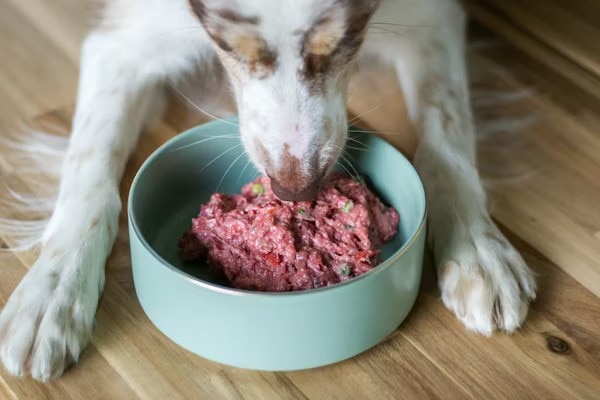
Freeze-dried raw dog food has become a favourite among pet guardians in Singapore who want the nutritional richness of raw feeding paired with the ease of a dry, shelf-stable format. This article shares guide to freeze-dried raw dog food in Singapore and covers what freeze-dried diets are, how they differ from other styles, the potential health advantages for dogs, and practical feeding and storage advice for our tropical climate.
What is Freeze-Dried Raw Dog Food and How It Works
Freeze-dried raw dog food starts with raw ingredients—generally muscle meat, organs, bone, and low-glycaemic vegetables—frozen at extremely low temperatures. In a vacuum chamber, ice is removed through sublimation, where it converts directly into vapour. This process preserves the food’s structure and helps protect heat-sensitive nutrients better.
Common formats include small nuggets or bites for easy portioning; larger patties designed for straightforward meal serving; meal mixers (bite-sized pieces used to boost protein and freshness when combined with a complete base diet); and toppers (crumbled morsels sprinkled over existing dog food to enhance flavour and nutrition).
Freeze-dried is distinct from air-dried, dehydrated, and canned formats. Freeze-dried sits between the convenience of dry and the freshness of raw, delivering minimally processed nutrition without the freezer logistics required by raw-frozen diets.
Health and Nutrition Benefits for Dogs
Many freeze-dried raw recipes are formulated around species-appropriate nutrition that prioritises high-quality animal proteins and organ meats. This mirrors a dog’s ancestral dietary pattern and can provide a high proportion of bioavailable amino acids. Ingredient lists tend to be concise with clearly named proteins (for example chicken, beef or venison).
Digestive health is a commonly reported advantage. With fewer extraneous starches and the presence of naturally occurring enzymes from raw ingredients, many dogs experience efficient digestion, smaller stools, and reduced odour. Numerous recipes also include prebiotic fibres from vegetables and occasionally probiotics to support a well-balanced gut microbiome.
Improvements in skin and coat quality are frequently observed when transitioning to freeze-dried nutrition. Balanced fats, including omega-3 and omega-6 fatty acids from meat, fish, or added oils can support skin integrity and a glossy coat.
For dogs with food intolerances or sensitive stomachs, single-protein or limited-ingredient freeze-dried recipes can reduce exposure to potential triggers. Proteins such as duck or venison may suit dogs that have sensitivities to common meats like chicken or beef.
As with any feeding plan, needs vary by individual. Puppies, seniors, and dogs with diagnosed medical conditions may require specific formulations, carefully managed calcium-to-phosphorus ratios, and professional guidance. Always introduce new foods gradually to minimise gastrointestinal upset.
Feeding Guide: Portioning, Rehydration, and Safe Handling
Most manufacturers provide calorie-based or weight-based feeding charts. As a broad reference, adult dogs often consume 2–3% of their body weight per day when served as a rehydrated raw-style diet. Puppies, because they are growing, can require 5–10% of body weight (split across multiple meals), with needs varying by age and breed size. When using freeze-dried as a topper or mixer, begin with 10–20% of the meal by calories and adjust accordingly.
Rehydration restores freeze-dried pieces to a raw-like texture and supports hydration—especially important in Singapore’s heat and humidity. A useful starting ratio is one part freeze-dried to one to two parts warm water by volume. Crumble larger patties into bite-sized pieces, add water, stir, and allow the food to absorb for 2–5 minutes. Adjust the water to achieve the texture your dog prefers.
In humid weather, offer fresh, cool water alongside meals and avoid leaving rehydrated food out for long. In Singapore’s climate, discard uneaten hydrated food after 30–60 minutes for safety and freshness.
Although freeze-dried foods are shelf-stable, they are still raw. Good hygiene is essential; wash hands and utensils before and after handling; serve in clean bowls; and store products sealed, away from sunlight and moisture. If you pre-soak portions, refrigerate promptly and use within 24 hours. Keep the original bag sealed with a clip or transfer contents to a food-safe, airtight container, retaining batch and best-before information for reference.
Transition gradually over 7–10 days. Start at around 25% new food to 75% current diet, move to 50:50, then 75% new food, and finally 100% if feeding as a full diet. Monitor stool consistency, appetite, and energy. For sensitive dogs, slow the transition and consider a probiotic (with veterinary approval) to support gut adaptation.
How to Choose Quality Freeze-Dried Options in Singapore
Choose recipes with clearly named animal proteins at the top of the ingredient list. High-quality formulations often include organ meats such as liver and heart for naturally occurring vitamins & minerals and may incorporate finely ground bone for calcium and phosphorus. Vegetables and fruits should be recognisable and present in supportive amounts.
Check the nutritional adequacy statement. Complete and balanced recipes should meet AAFCO or FEDIAF profiles for the stated life stage. Toppers and mixers may be labelled for intermittent or supplemental feeding only; this is perfectly suitable if you are using them to enhance a complete base diet.
Match the recipe to your dog’s needs. Puppies require growth-appropriate calcium-to-phosphorus ratios and DHA to support brain development. Adult dogs may benefit from rotating proteins across seasons to broaden nutrient exposure. Seniors often thrive on highly digestible protein, joint-supporting ingredients such as green-lipped mussel, and controlled calorie intake to maintain lean mass. For dogs with allergies, select single-protein or novel-protein recipes with limited ingredients and avoid known triggers.
Lifestyle Fit: Budget, Convenience, and Climate Considerations
Budgeting for freeze-dried feeding can be tailored to your household. Feeding a complete freeze-dried diet brings the full range of benefits. If you want an upgrade without fully converting, use freeze-dried as a topper or mixer—often 10–30% of the meal by calories—to improve protein quality and palatability.
Portion control supports both budgeting and weight management. Freeze-dried foods are calorie dense, so precise measuring is important. Weigh portions and review your dog’s body condition score every few weeks. Adjust serving sizes based on activity level, age, and seasonal changes in exercise.
Singapore’s heat and humidity demand careful storage. Keep bags tightly sealed and store in a cool, dry place away from direct sunlight—an air-conditioned cupboard is ideal. Some packs include desiccant sachets; leave them inside the package but out of pets’ reach. Avoid rooms with steam and frequent humidity changes.
Freeze-dried food shines when travelling. Its low weight and compact volume make it easy to carry for staycations or longer trips. Always check destination rules on pet foods. Pre-portion meals into resealable sachets. Use bottled water or cooled, previously boiled water for rehydration while on the go.
Comparing Freeze-Dried with Other Dog Food Formats
| Format | Processing | Key Advantages | Considerations |
| Freeze-dried raw | Raw ingredients are frozen and moisture is removed by sublimation under vacuum | High nutrient retention; shelf-stable; easy to rehydrate; strong palatability | Higher cost per gram; safe handling required as it is still raw |
| Air-dried | Gently dried with warm air |
Convenient; dense texture; minimal preparation | Chewier; may be denser in calories; some heat exposure during drying |
| Dehydrated | Dried at low to moderate heat |
Storability; rehydration provides moisture-rich meals | Longer rehydration time; variable nutrient retention |
| Canned | Cooked and sealed in tins with high moisture | Very convenient; high palatability for many dogs; moist texture | Lower retention of some heat-sensitive nutrients; heavier to store and transport |
| Kibble | Extruded at high temperatures and pressure, then dried | Cost-effective; easy portioning and storage; long shelf life | Higher processing; some dogs find it less palatable |
| Fresh/cooked | Lightly cooked dog food made from fresh ingredients | High moisture; familiar textures; can be highly palatable | Requires refrigeration or freezing; nutrient retention depends on cooking method |
Practical Feeding Scenarios
- Puppies: Choose a complete and balanced recipe formulated for growth. Feed 5–10% of body weight daily across several meals. Ensure appropriate calcium-to-phosphorus ratios and DHA for brain development. Monitor growth curves.
- Active adults: Start at 2–3% of body weight and adjust upwards for high activity. Consider rotating proteins and adding omega-3 sources if not already included.
- Seniors: Opt for highly digestible protein and moderate calories to maintain lean mass. Look for joint-support ingredients such as green-lipped mussel. Rehydrate thoroughly to encourage water intake.
- Sensitive dogs: Select single-protein or limited-ingredient recipes, ideally with a novel protein if intolerances are suspected. Transition slowly and consult your vet for tailored advice.
- Fussy eaters: Use freeze-dried toppers to increase aroma and flavour. Rehydrate to release scents and improve palatability.
Getting Started with Freeze-Dried Raw
Beginning with freeze-dried is simple with a structured approach. Select two or three candidate recipes with protein sources your dog tolerates well and check that any full-meal option is complete and balanced for the relevant life stage.
Start by mixing a small amount of crumbled freeze-dried into your dog’s existing food, increasing gradually before transiting to a full meal. Monitor stool consistency, appetite, water intake, coat condition, and energy throughout the change. If your dog is particularly sensitive, extend each step by several days.
For convenience, pre-portion dry servings in small containers, then add warm water at mealtime. If you are travelling, pack resealable sachets of daily portions, a collapsible bowl, and a clean spoon. Use safe water sources for rehydration and discard leftovers promptly in hot weather.
Keep notes on your dog’s response to each dog food brand during the trial period to guide future purchases.
Frequently Asked Questions
- Is freeze-dried raw safe?
Reputable manufacturers implement strict safety protocols, which may include supplier audits, microbial testing, and interventions such as high-pressure processing. As the food remains raw, good hygiene at home—clean hands, utensils, and bowls—is essential. - Do I need to rehydrate every meal?
Rehydration is recommended for complete meals to support digestion and hydration, particularly in Singapore’s climate. Toppers can be fed dry for texture, but adding water can improve aroma and palatability. - How long can I leave rehydrated food out?
In hot, humid conditions, discard rehydrated leftovers after 30–60 minutes to maintain safety and freshness. - Is freeze-dried suitable for puppies and seniors?
Yes, provided the recipe is complete and balanced for the relevant life stage. Puppies need growth-appropriate mineral ratios and DHA; seniors benefit from highly digestible protein and tailored calories. Consult your vet to select the best option. - How should I store opened bags?
Seal tightly after each use and store in a cool, dry, air-conditioned place away from sunlight. Consider an airtight container and keep the batch information from the original packaging. Aim to finish within 30–60 days after opening, or as advised by the manufacturer. - How does freeze-dried compare with cooked dog food?
Freeze-dried preserves heat-sensitive nutrients by removing moisture without high heat while cooked dog food provides high moisture and familiar textures.
With these insights from the ultimate guide to freeze-dried raw dog food in Singapore, you are equipped to assess dog food choices with confidence, compare dog food brands objectively, and select a high quality dog food approach—freeze-dried, cooked dog food, or a sensible combination—that supports your dog’s long-term health.