




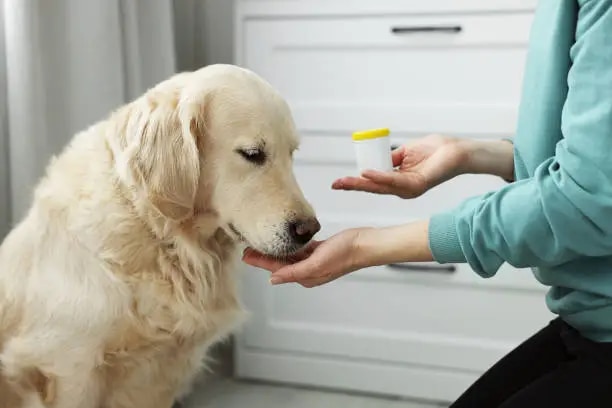
From occasional tummy upsets to itchy skin, many everyday canine issues trace back to the gut. Probiotics—beneficial bacteria that live in the digestive tract—can help restore balance when things go off course. If you have noticed changes in your dog’s digestion, skin, or behaviour, a targeted dog probiotic may support their overall wellbeing. This guide explains how probiotics work and the 7 signs that shows your dog needs a probiotic supplement.
What Are Probiotics for Dogs?
Probiotics are live, beneficial microorganisms that help maintain a healthy balance of bacteria in your dog’s gastrointestinal tract. In a well-functioning gut, these microbes aid digestion, synthesise certain vitamins, and help protect against harmful pathogens. Stress, illness, antibiotics, dietary shifts, and ageing can disrupt this balance, leading to digestive and skin concerns.
In dogs, probiotics support the digestive system by stabilising the gut microbiome, promoting regular stools, reducing gas, and supporting the gut lining. They also interact with the immune system—much of which resides in the gut—shaping how the body reacts to allergens and infections.
Dog-specific probiotics for dogs contain strains researched for canine physiology, such as selected Lactobacillus, Bifidobacterium, and Enterococcus strains. These are chosen for their ability to survive stomach acid, adhere to canine intestinal cells, and deliver defined benefits.
7 Signs Your Dog Might Need Probiotics
Probiotics are not a universal remedy, but they can be helpful when signs suggest a disrupted gut microbiome. These are the 7 signs your dog needs a probiotic supplement to consider:
- 1) Ongoing digestive upsets: Recurrent diarrhoea, soft stools, constipation, excessive gas, or loud stomach gurgling may point to microbial imbalance. Episodes after stressors like boarding, travel, or rapid diet changes are especially suggestive.
- 2) Chronic skin irritations or allergies: Itchy skin, recurring hot spots, ear infections, or persistent paw licking can stem from immune dysregulation influenced by gut health. Probiotics may help modulate immune responses and support the skin barrier from within.
- 3) Behaviour changes linked to gut discomfort: Apathy, restlessness, fussiness around food, or heightened anxiety can accompany gastrointestinal discomfort.
- 4) During and after antibiotics: Antibiotics can disrupt beneficial gut bacteria. A resilient dog probiotic given during and after a course may help maintain stool quality and speed microbiome recovery.
- 5) Sensitive stomach or scavenging: Dogs that scavenge or have food sensitivities often experience periodic tummy upsets. A daily probiotic can provide ongoing support for more stable digestion.
- 6) Diet transitions: Switching foods, including life-stage changes or novel-protein diets, can temporarily loosen stools. Probiotics can ease the transition and support nutrient uptake.
- 7) Ageing and reduced resilience: Senior dogs may have less diverse gut microbiota and slower digestive motility. Probiotics can help maintain regularity and support immune health as dogs age.
How to Choose the Right Probiotic for Your Dog
Selecting a probiotic is easier when you focus on evidence and transparency. Prioritise products that clearly identify their strains, dose, and quality controls. When in doubt, remember that well-chosen dog probiotics are typically specific about strain identity and stability.
- Strain specificity: Look for named strains (for example, Lactobacillus rhamnosus GG or Enterococcus faecium NCIMB 10415) rather than just species names.
- CFU count and viability: Colony forming units (CFUs) indicate the dose of live microbes. Typical daily ranges for dogs are around 1–5 billion CFU, though some products use different amounts based on strain potency.
- Formulation and stability: Opt for packaging and carriers that protect probiotics from heat, moisture, and stomach acid. Shelf-stable options are convenient, though some require refrigeration.
- Additives and allergens: If your dog is sensitive, look for low-allergen formulations. Avoid unnecessary fillers, artificial colours or heavy flavourings.
- Quality assurance: Seek brands with batch testing, clear expiry dates, and accessible customer support.
Always consult your vet before starting a supplement, especially for dogs with chronic illness, or very young or elderly pets. Your vet can recommend appropriate strains and dosing, and advise how probiotics for dogs fit alongside diet and other therapies.
Probiotics for dogs come in powders to sprinkle on food, chewable tablets or soft chews, capsules that can be hidden in treats, and probiotic pastes. Choose a format that suits your dog’s preferences and your routine—consistency matters more than the form itself.
Benefits of Probiotics for Dogs
When selected and used appropriately, probiotics can support everyday health and build longer-term resilience. A well-formulated dog probiotic can be especially helpful during stressful periods, travel, or dietary changes.
- Improved gut health and nutrient absorption: By reinforcing a balanced microbiome and supporting the intestinal barrier, probiotics help normalise stool consistency and reduce gas. A healthier gut environment can improve digestion of fats, proteins, and carbohydrates, enhancing absorption of vitamins and minerals.
- Enhanced immune function: A large portion of the immune system resides in the gut. Certain strains can modulate inflammatory pathways and promote immune tolerance, which may reduce minor infections and encourage more appropriate responses to triggers.
- Fewer allergy symptoms and skin issues: Some dogs experience fewer episodes of itchy skin, ear irritation, and paw chewing as gut health improves. Probiotics may reduce gut permeability and influence immune signalling, supporting better skin barrier function.
Additional potential benefits include steadier stools during diet transitions, support during stressful events such as travel, and improved recovery of gut flora after antibiotics.
How to Administer Probiotics to Your Dog
Introduce probiotics gradually and set a routine you can sustain. Mix powders thoroughly into meals, offer chews as a treat, or hide capsules in a small amount of food. For fussy eaters, start with a partial dose and build up over three to five days.
Dosage and frequency depend on the product and your dog’s size. Many canine probiotics are given once daily; during periods of stress or loose stools, your vet may suggest splitting the daily amount into two servings. For dogs on antibiotics, ask about giving the probiotic at least two to three hours apart to reduce direct inactivation.
Monitor effectiveness by noting stool consistency, frequency of gastrointestinal upsets, appetite, energy levels, and skin or ear health. Improvements in stools often appear within 1–3 weeks, while skin and immune-related changes can take longer. Adverse reactions are uncommon but may include temporary gas, softer stools, or mild bloating at the start. If your dog develops vomiting, watery diarrhoea, blood in stools, or lethargy, stop the supplement and contact your vet.
Practical tips include keeping to a consistent feeding schedule; storing probiotics as directed (refrigerate if required); avoiding very hot food that can kill beneficial bacteria; and reviewing the need for ongoing supplementation at regular intervals with your vet.
Frequently Asked Questions
Can dogs take human probiotics? Some human strains are safe, but they may not survive or adhere well in the canine gut and can be less effective. Dog-specific products with identified strains and canine data are the safer, more reliable choice.
How long should my dog stay on probiotics? Some dogs benefit from short courses of 2–8 weeks during recovery from diarrhoea, diet changes, or stress. Others, such as seniors or dogs with sensitive stomachs, may do well on long-term daily use. Review the plan with your vet based on response and overall health.
Do probiotics work immediately? Stool quality can improve within days, but consistent benefits usually build over 1–3 weeks. Skin and immune-related changes may take several weeks to become apparent.
Can probiotics be used with prebiotics? Yes. Prebiotics (such as inulin or FOS) feed beneficial bacteria and can work synergistically with probiotics. Products combining both (synbiotics) are common; introduce gradually to minimise gas.
Are there dogs who should avoid probiotics? Dogs with severely compromised immune systems, those on certain immunosuppressive therapies, or those with acute, severe gastrointestinal disease should only use probiotics under veterinary supervision.
Are dog probiotics different from general supplements? Yes. Probiotics for dogs are formulated with canine-tested strains and doses tailored to dogs’ digestive tracts. Choosing a dedicated dog probiotic increases the likelihood of colonisation and clinical benefit.