




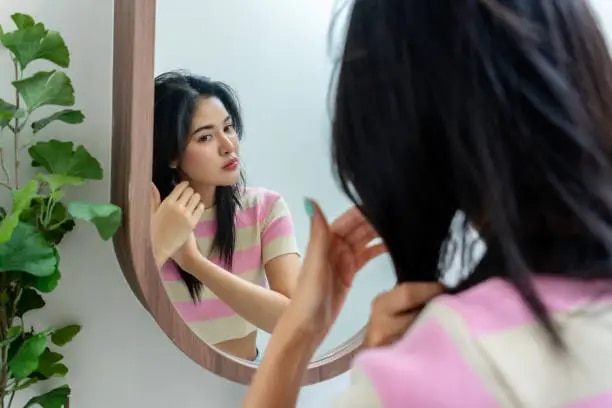
Frizz happens when the hair cuticle lifts and external moisture enter the shaft, creating a rough, puffy texture that is hard to style. The right hair mask floods strands with hydration, smooths the cuticle and restores manageability, so hair looks sleeker and feels softer for longer.
Why hair masks tame frizz: key ingredients and benefits
Hydration is the foundation of frizz control. Humectants such as glycerin and hyaluronic acid draw and bind water inside the hair, improving elasticity and helping the cuticle lie flatter. Well-hydrated hair reflects light better and is less prone to humidity-induced swelling. This is why a dedicated hair mask for frizzy hair helps hair behave in damp weather.
Emollients and occlusives provide slip and seal. Butters and oils (shea, argan, coconut, avocado) cushion the cuticle, while lightweight silicones like dimethicone or amodimethicone create a micro-smoothing layer that reduces friction, flyaways and breakage during styling. Masks that pair humectants with emollients deliver immediate softness and a polished finish, making them an ideal choice when selecting the best hair mask for frizzy hair.
Strength supports long-term frizz defence. Proteins and amino acids (hydrolysed keratin, silk, wheat) temporarily fill micro-gaps to reinforce weak areas, so strands resist snapping and roughness. Ceramides and plant lipids help rebuild the cuticle’s protective barrier, enhancing smoothness with repeated use. A balanced frizzy hair mask combines moisture, strength and protection.
Sulphate-free cleansing minimises dryness that can worsen frizz and is kinder to colour. Balanced silicone use adds shine and heat protection without heaviness. If you are prone to build-up, rotate in gentle clarifying cleansers and select masks with water-dispersible silicones or silicone-free blends that use botanical oils for slip.
Find your perfect match: hair types and concerns
- Dry or damaged hair
If heat styling, colouring or chemical services have left hair porous and rough, choose an intensive repair mask. Look for hydrolysed proteins, ceramides, peptides and rich plant oils to fortify and seal. Claims such as “bond care”, “repair” and “deep conditioning” are helpful indicators. Use once to twice weekly to reduce split ends, boost smoothness and extend frizz control. A targeted hair mask for dry frizzy hair or a hair mask for dry and frizzy hair will replenish lost moisture and improve resilience. - Fine or thin hair
Opt for lightweight anti-frizz masks that hydrate without flattening. Seek humectants (glycerin, hyaluronic acid), aloe, squalane and airy emulsions. Avoid very heavy butters and choose silicone-light or water-dispersible silicone systems. A quick 3–5 minute mask after shampoo adds softness and shine while preserving natural lift. - Curly, coily or wavy hair
Curls thrive on moisture and definition. Choose nourishing masks with shea or cupuaçu butter, argan or coconut oil, and curl-supporting polymers that reduce halo frizz and enhance pattern. Maintain a protein–moisture balance: incorporate light proteins periodically to strengthen without stiffness. Many curl-friendly masks are sulphate-free and silicone-conscious to keep texture bouncy and hydrated. The best hair mask for frizzy hair in curls often combines rich emollients with anti-humidity polymers. - Sensitive scalps or colour-treated hair
Select fragrance-moderate, sulphate-free and colour-safe formulas to protect tone and reduce irritation. Masks with ceramides and gentle botanicals help maintain comfort while guarding against frizz.
How to use a hair mask for best results
Step-by-step application
- Cleanse with a gentle, sulphate-free shampoo to remove oil and product residue.
- Towel-dry until hair is damp but not dripping, to avoid diluting the mask.
- Apply from mid-lengths to ends, where frizz and dryness are most pronounced. Use a wide-tooth comb to distribute evenly and detangle.
- Leave on as directed: lightweight masks 3–5 minutes; intensive repair 10–20 minutes.
- Rinse thoroughly with cool water to help close the cuticle and boost shine.
Weekly schedule and format
- Most hair types benefit from one masking session per week.
- Very dry, curly or damaged hair may prefer two sessions, alternating a rich repair mask with a lighter moisture mask to avoid build-up.
- Leave-in masks or creams: apply sparingly to damp hair and use 1–3 times weekly depending on texture and climate. Balance leave-ins with rinse-out treatments to keep hair light and responsive.
Pro tips for lasting smoothness
- Comb through for even coverage and minimal breakage.
- Finish with a cool-water rinse to enhance gloss.
- Before heat styling, apply a heat protectant to prevent new damage that can trigger frizz.
- Sleep on a silk or satin pillowcase or wrap hair in a silk scarf to reduce friction and morning flyaways.
- In humid weather, seal your style with an anti-humidity spray or a serum on the ends.
Troubleshooting
- If hair feels coated or limp, reduce frequency, switch to a lighter mask, or clarify gently every 2–4 weeks.
- If frizz persists, increase hydration steps, add a bond-repair mask to address internal weakness, and check that you are rinsing thoroughly. A dedicated hair mask for dry frizzy hair can be alternated with your usual frizzy hair mask to improve balance.
Ingredient spotlight: what to look for on the label
| Category | Examples | Main benefits |
| Humectants | Glycerin, hyaluronic acid, panthenol |
Draw moisture into the hair; improve elasticity and reduce puffiness |
| Emollients | Shea butter, argan, coconut, avocado oils | Soften, smooth and cushion the cuticle for silkier touch |
| Silicones | Dimethicone, amodimethicone |
Provide slip, shine and heat protection; reduce friction and flyaways |
| Proteins | Hydrolysed keratin, silk, wheat |
Reinforce weak areas; reduce breakage and roughness |
| Barrier lipids |
Ceramides, plant- derived lipids |
Support cuticle integrity; enhance smoothness over time |
Frequently Asked Questions
How often should I use a hair mask for frizzy hair?
Once weekly suits most people. Very dry, curly or damaged hair can mask twice weekly, alternating a deep repair formula with a lighter moisturising option to prevent build-up. Those with persistent dryness can rotate in a hair mask for dry frizzy hair for extra nourishment.
Should I use a silicone-free mask?
Silicones can deliver immediate smoothness and heat protection. If your hair is fine or prone to build-up, choose water-dispersible silicones or go silicone-free and rely on plant oils and polymers for slip. Pair with gentle clarifying when needed, especially if your frizzy hair mask includes heavier emollients.
Can I use a hair mask instead of conditioner?
Yes. On mask days you can skip conditioner. On non-mask days, use a lightweight conditioner to maintain moisture without overloading. This routine works well whether you are using a general hair mask for frizzy hair or a targeted hair mask for dry and frizzy hair.
Do hair masks help in humid climates?
Absolutely. Masks improve moisture balance and reinforce the cuticle, making hair less reactive to humidity. Combine with anti-humidity stylers and finish with a cool rinse for best results. For extra defence, select the best hair mask for frizzy hair with anti-humidity polymers.
Will protein make my hair feel stiff?
Excess protein can feel rigid. Balance protein-rich masks with hydrating masks. If hair feels brittle after a protein treatment, follow next time with a moisture-focused formula. Alternating your frizzy hair mask with a deeply hydrating option keeps texture supple.